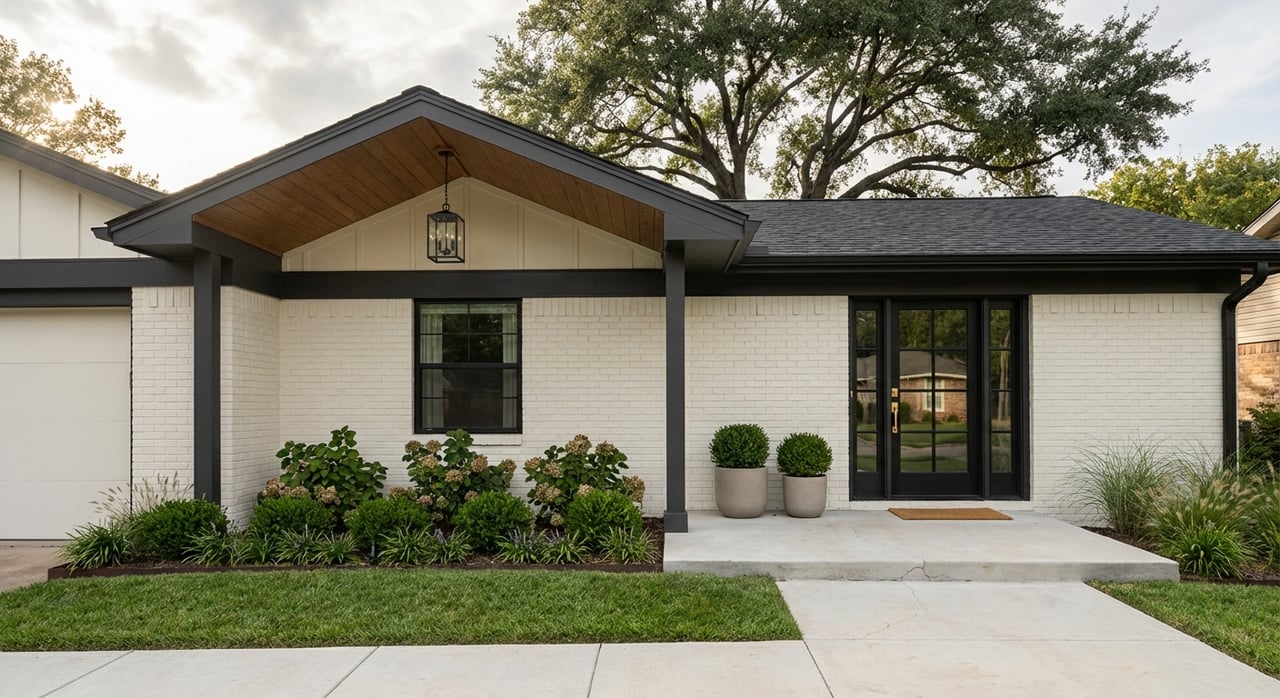
Thinking about selling your Broken Arrow home? With a clear plan, you can move from to‑do list to “just sold” without guesswork. You want strong offers, a smooth inspection, and a clean closing. In this guide, you will learn what to fix first, which quick updates pay off, how to stage for better photos, and what forms and permits you need in Oklahoma. Let’s dive in.
What Broken Arrow buyers expect
Broken Arrow attracts many owner‑occupant buyers and family households, which means yards, practical layouts, and move‑in ready kitchens and bathrooms often stand out. Local home values commonly land around the upper $200s citywide, with submarkets that range higher or lower by ZIP. Time to go under contract often falls in the several‑week range. Exact pricing varies by neighborhood and condition, so plan on a comparative market analysis from a local agent to set a precise list price.
According to U.S. Census QuickFacts, Broken Arrow has a high owner‑occupancy rate and household incomes that exceed state averages. Those factors support demand for well‑maintained homes that feel turnkey to buyers. Keep that buyer profile in mind as you prioritize updates. You can review the city snapshot in Census QuickFacts for Broken Arrow.
Your three-part prep plan
Getting ready to list works best when you focus on the right order: safety and financing items first, then high‑impact cosmetic fixes, then staging and photography.
Priority A: Safety and financing items
Address items that can derail loans or inspections. Common problem areas include roof leaks, active water intrusion, significant foundation movement, unsafe electrical panels, non‑functioning HVAC, and active pest or termite issues. If you suspect problems, consider a pre‑listing inspection to surface issues early. You can see a helpful overview of typical inspection red flags in this home inspection summary.
If past work was done on the home, confirm permits. The City of Broken Arrow’s Community Development office issues and tracks residential permits for building, electrical, plumbing, and more. Verifying permit history and clarifying whether new work will need a permit helps you avoid closing delays. Explore the city’s process on the Broken Arrow Permitting and Licensing page.
Prepare your disclosure package now. Oklahoma requires you to provide either a Residential Property Condition Disclosure Statement or a Disclaimer. The Oklahoma Real Estate Commission publishes the standard forms and guidance. Starting this paperwork before you list helps buyers make faster, cleaner offers. Review the forms on the OREC contract forms page.
If your home was built before 1978, federal law requires a lead‑based paint disclosure, the EPA pamphlet, and a 10‑day inspection opportunity unless waived. Read the overview for agents and sellers from the EPA lead disclosure guidance.
Priority B: High‑impact cosmetic fixes
Once safety items are handled or clearly disclosed, move to visible, affordable updates that create value in photos and showings.
- Fresh, neutral interior paint in main living areas.
- Re‑caulk showers, tubs, and kitchen splash areas.
- Replace worn switch plates, tighten cabinet hardware, and swap out dim bulbs.
- Update house numbers and refresh entry lighting if dated.
- Power wash the driveway and porch, trim hedges, and add fresh mulch.
Remodeling’s Cost vs. Value reporting shows that simple exterior projects like entry or garage door replacements often recoup a strong share of cost at resale. If your budget is tight, put your dollars where buyers form first impressions, especially the front entry. See national ROI trends at Cost vs. Value.
Priority C: Targeted mid‑range updates
If your home sits in a price tier where buyers expect more recent finishes, consider modest updates with solid payback.
- Minor kitchen refresh: paint or refinish cabinets, update hardware, and consider new counters if yours are worn.
- Midrange bath refresh: new vanity, contemporary mirror and lights, fresh caulk and grout.
Recent Cost vs. Value findings show these midrange projects can recover a meaningful share of cost in many markets, while full gut renovations tend to recoup less. Use your agent’s CMA and comps to decide if these projects fit your price point. For anything that may require a permit, confirm scope, timeline, and fees with the City of Broken Arrow before work begins. The city’s guidance is here: Permitting and Licensing.
Staging that speeds offers
Staging helps buyers visualize how rooms live, and it often reduces time on market. In a recent national profile, many agents reported staging led to stronger offers, with a portion seeing a 1 to 10 percent increase in offer amounts where staging was used. Focus on the living room, the primary bedroom, and the kitchen first. Read the highlights in this summary of the NAR Profile of Home Staging.
Typical third‑party staging fees often start around the low thousands depending on home size and scope. Many sellers budget 1,000 to 4,000 dollars for a modest package, and virtual staging can lower costs for vacant rooms. Book staging 1 to 3 weeks before photos so your listing captures the finished look.
Quick staging checklist
- Declutter and depersonalize, including magnets and personal photos. See the agent‑reported benefits in the NAR staging profile summary.
- Deep clean top to bottom. Clean carpets, blinds, and kitchen and bath surfaces. A basic prep budget often includes this cleaning step, as noted by consumer guides like this pre‑listing cost overview.
- Keep accents neutral. A simple bowl of fruit, fresh hand towels, and clear counters make rooms feel larger. You can browse more staging tips from NAR’s staging resources.
- Tidy the exterior. Mow, trim, and add porch seating if space allows. Confirm that exterior lighting works so evening showings feel welcoming. Learn why exterior updates punch above their weight at Cost vs. Value.
Professional photos and tours
High‑quality visuals drive more online engagement. Ask your agent to hire a photographer who specializes in real estate and request bright, wide images, a floor plan, and a 3D tour when available. Time photos for the day staging is complete so your listing shines from day one. For an overview of how visuals support buyer interest, see NAR’s staging and presentation insights.
Permits and disclosures you need in Oklahoma
- Complete the Residential Property Condition Disclosure or Disclaimer at the time of listing. The Oklahoma Real Estate Commission publishes the official forms and guidance on the OREC forms page.
- For pre‑1978 homes, provide the EPA lead‑paint pamphlet, include a Lead Warning Statement in the contract, and offer a 10‑day inspection window unless waived. Learn more at the EPA lead disclosure overview.
- Verify permit history and contractor licensing for any past or planned work to avoid closing issues. Start with the City of Broken Arrow Permitting and Licensing portal.
Save all invoices, permits, warranties, and manuals in a single folder. Buyers and appraisers value clear documentation, and it reduces back‑and‑forth during escrow.
Pre‑listing timeline you can follow
Here is a practical 4 to 6 week plan that fits most homes.
4 to 6 weeks out
- Decide your scope. If you suspect major system issues, order a pre‑listing inspection and gather estimates for any necessary repairs. See common inspection pitfalls in this inspection problem list.
- Confirm whether planned work requires permits and line up licensed contractors. Start with the city’s permitting guidance.
2 to 3 weeks out
- Finish paint touchups, caulking, and curb appeal.
- Finalize staging plans and book a professional photographer. Agent surveys show staging can shorten time on market, as highlighted in this NAR staging summary.
0 to 7 days out
- Complete deep cleaning, style rooms, and confirm all bulbs and fixtures work.
- Compile your disclosure packet, HOA docs, permits, receipts, warranties, and utility info. Download the required forms from OREC.
- Photograph the home after staging, then go live.
Showing day checklist
Small details help buyers feel comfortable and linger longer.
- Leave the home for showings and open houses. Let your agent guide the visit.
- Remove pets if possible, secure valuables, and store personal items.
- Set the thermostat to a comfortable temperature, open blinds, and turn on lights.
- Keep scents neutral and minimal.
These simple habits can boost buyer candor and help your home stand out. For more open house etiquette, browse these seller showing tips.
Smart upgrades with solid ROI
Not every project makes sense before listing. Based on national ROI data, exterior replacements like garage or steel entry doors are often top performers, and minor kitchen tune‑ups can also return a significant share of cost. Large gut renovations tend to recoup less. If you are on a budget, aim at what buyers will notice in photos and during the first minute at the front door. You can explore national averages at Cost vs. Value.
Price with precision
Online estimates can give a range, but buyers in Broken Arrow shop by neighborhood, school district boundaries, and finish level. That means the final list price should reflect recent comparable sales for your address. Ask your agent for a full CMA with adjustments for updates and condition. In a typical sale process, count on a listing‑to‑close timeline of about 60 to 90 days in many markets, which includes time on market plus escrow. You can read a national baseline on timelines here: how long a sale can take.
Your quick Broken Arrow prep checklist
- Get a local CMA and pricing strategy for your address.
- Order a pre‑listing inspection if you suspect major issues, then gather estimates. See common issues in this inspection summary.
- Complete the Oklahoma Residential Property Condition Disclosure or Disclaimer. Download from OREC.
- Fix or disclose safety and system items, and plan any repair credits.
- Do low‑cost, high‑impact updates: paint, pressure wash, mulch and trim, new entry lighting and house numbers, fresh hardware, and minor kitchen or bath refreshes. Check ROI context at Cost vs. Value.
- Stage key rooms and book professional photography. See staging stats in this NAR summary.
- Gather permits, contractor invoices, warranties, appliance manuals, HOA docs, and utility averages. Verify permit history with the city’s permitting portal.
Getting your Broken Arrow home ready to sell does not have to be overwhelming. With the right plan, you can focus on what matters, skip what does not, and move forward with confidence. If you want a local pricing strategy, a tailored prep plan, and bilingual guidance, connect with Monica Castillo. Let’s make your next move simple.
FAQs
How long does it take to sell a home in Broken Arrow?
- Many sales follow a 60 to 90 day listing‑to‑close timeline that includes time on market and escrow. Actual timing varies by ZIP, condition, and price. Ask your agent for local DOM data and a CMA.
Which updates give the best return before selling?
- Exterior door replacements and minor kitchen updates often deliver strong payback, while full gut remodels recoup less. See national ROI benchmarks at Cost vs. Value and tailor choices to your CMA.
Do I need permits for my pre‑listing projects?
- Some work requires permits in Broken Arrow, including certain structural, electrical, and plumbing projects. Verify scope and fees with the City’s Permitting and Licensing office before you start.
What disclosures are required for Oklahoma sellers?
- You must provide either a Residential Property Condition Disclosure or a Disclaimer. Pre‑1978 homes also need a federal lead‑paint disclosure and pamphlet. Find the forms at OREC and guidance at the EPA.
Is staging worth it for a typical Broken Arrow home?
- Many agents report staging reduces time on market and can increase offer amounts in some cases. Focus on the living room, primary bedroom, and kitchen, and time staging before photos.
Should I get a pre‑listing inspection?
- If you suspect issues with the roof, HVAC, foundation, or electrical, a pre‑listing inspection helps you fix or disclose problems early. It can prevent surprises during the buyer’s inspection.