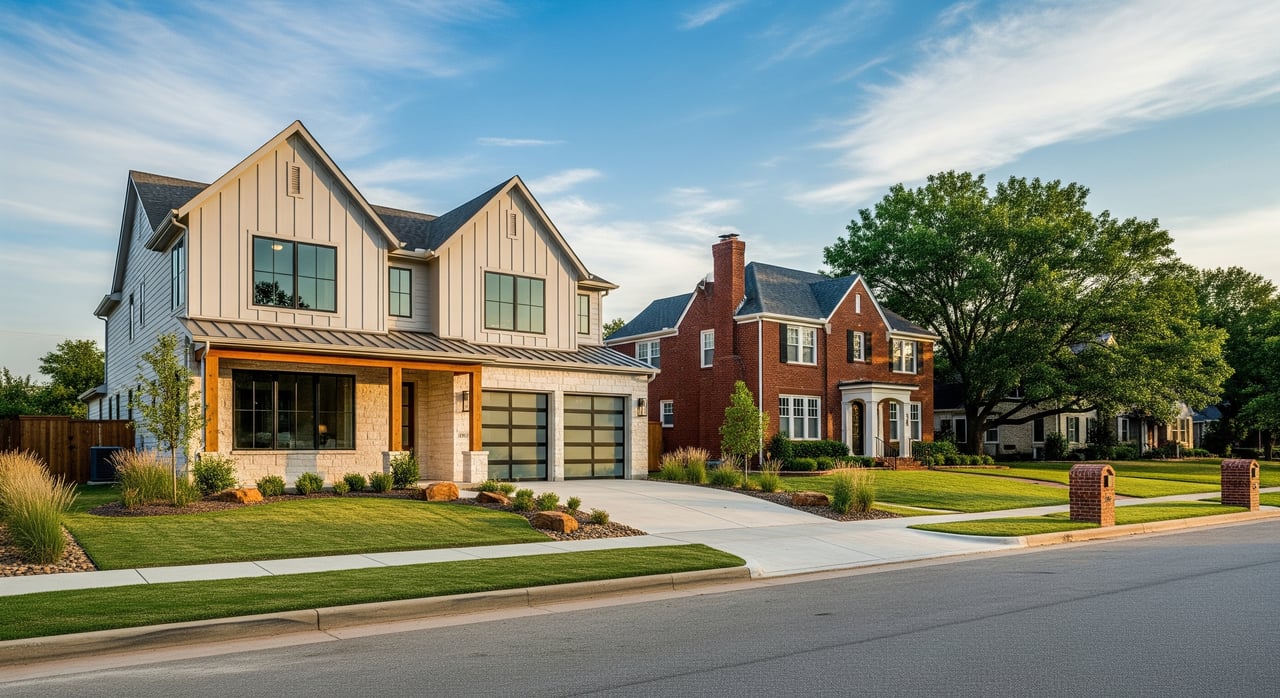
Thinking about a new build or a resale in Broken Arrow? You have great options in this Tulsa metro suburb, and each path comes with different costs, timelines, and protections. Your choice should fit your budget, move-in needs, and long-term plans. This guide breaks down the key differences so you can compare with clarity and move forward with confidence. Let’s dive in.
New construction: key benefits and tradeoffs
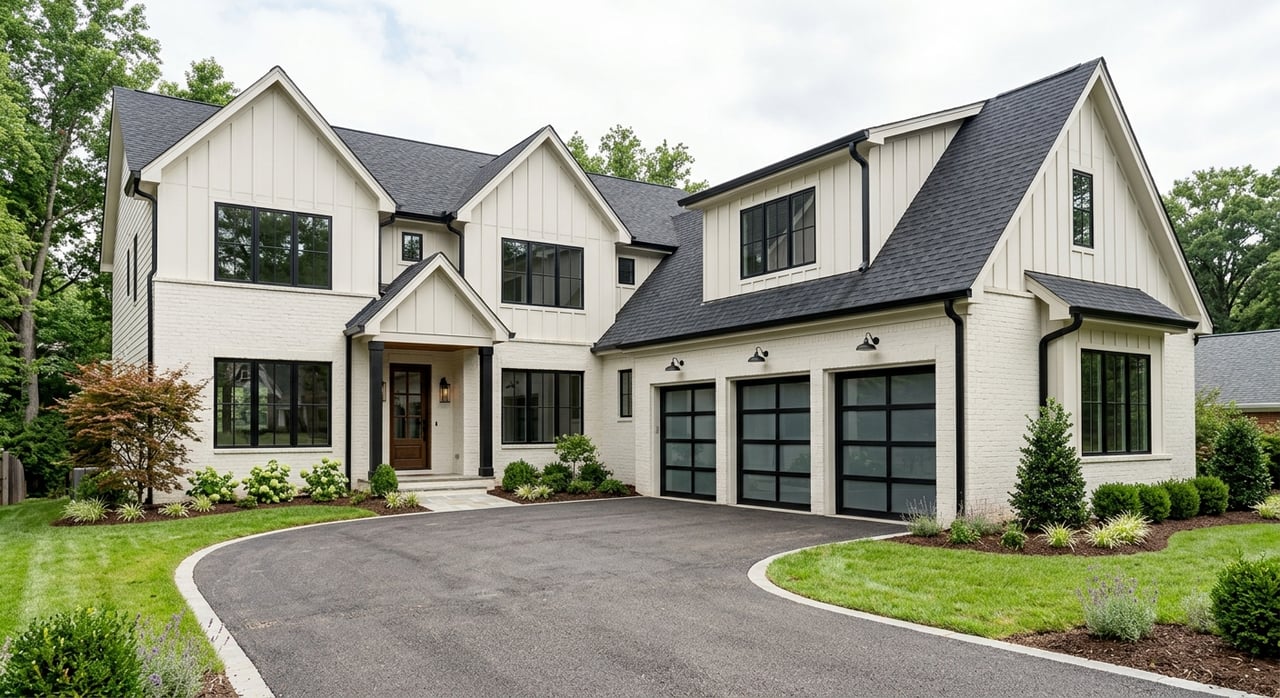
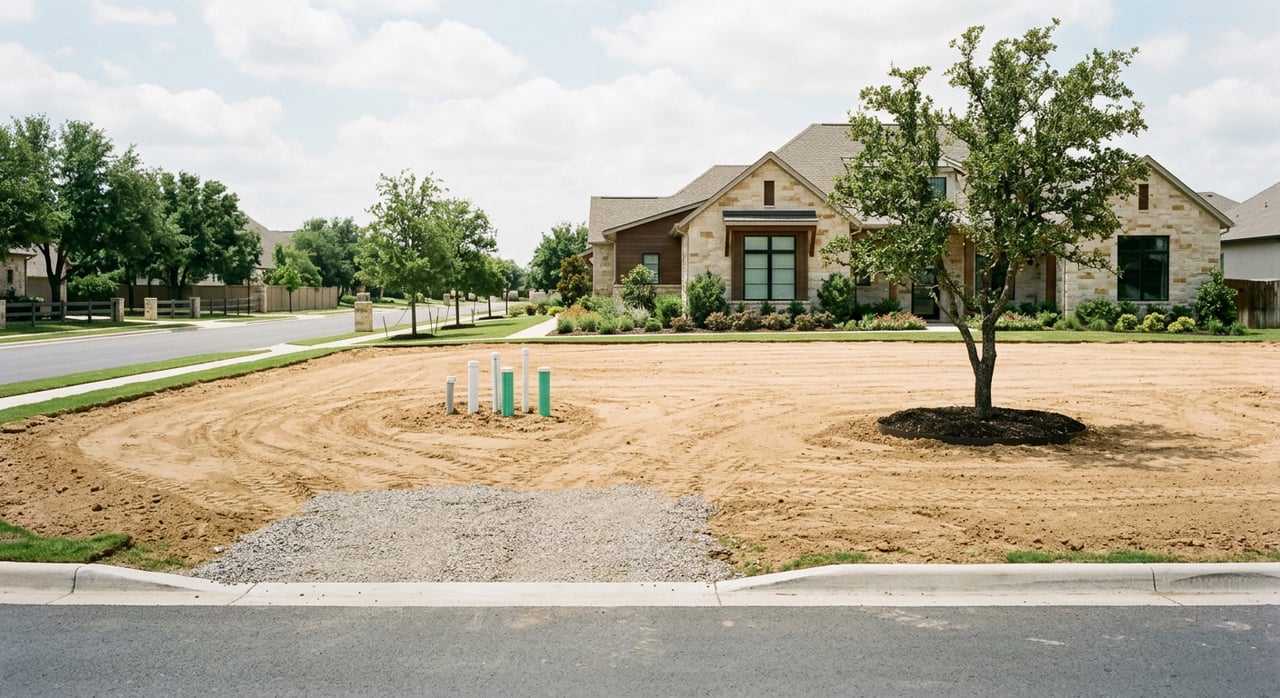
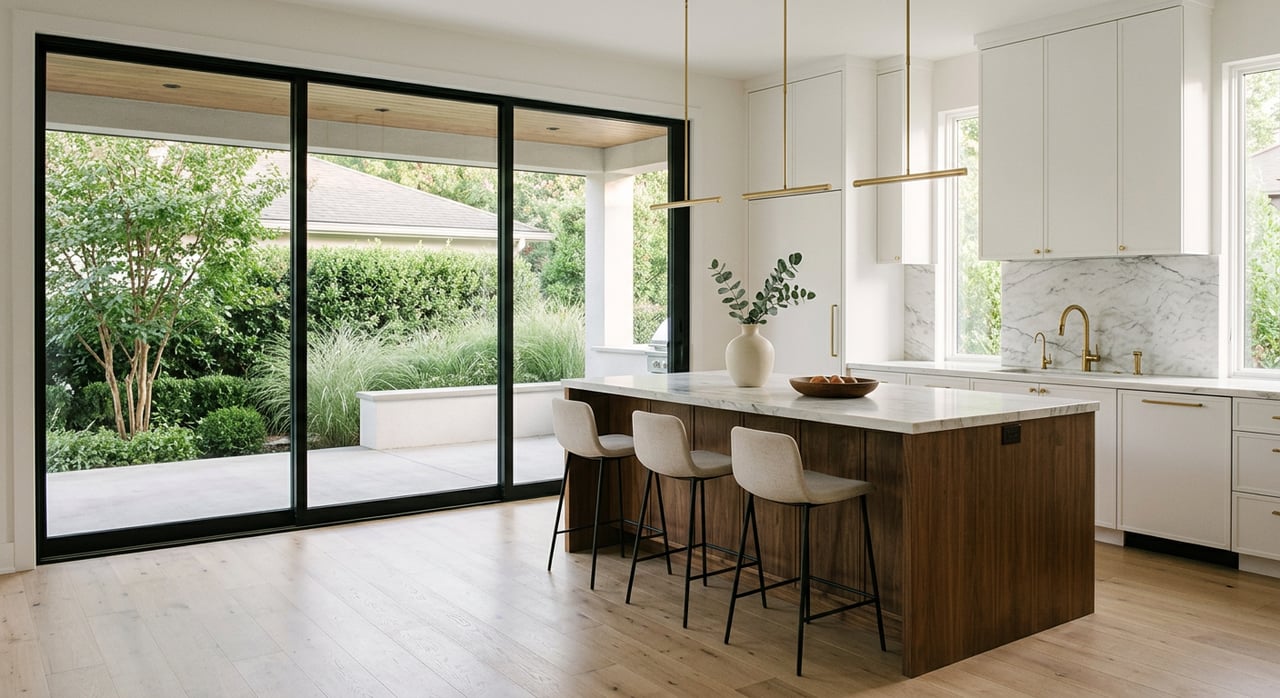
New homes in Broken Arrow often carry a price premium because you are paying for brand-new materials, builder margin, modern layouts, and sometimes community amenities. You typically get more energy-efficient systems and the ability to personalize finishes, which can lower monthly utility costs and improve daily comfort. Most new subdivisions include homeowners associations that maintain common areas, and they may offer amenities like trails or pools. The tradeoffs are a longer timeline to occupancy and additional out-of-pocket costs for upgrades and landscaping that are not in the base price.
Resale homes: key benefits and tradeoffs
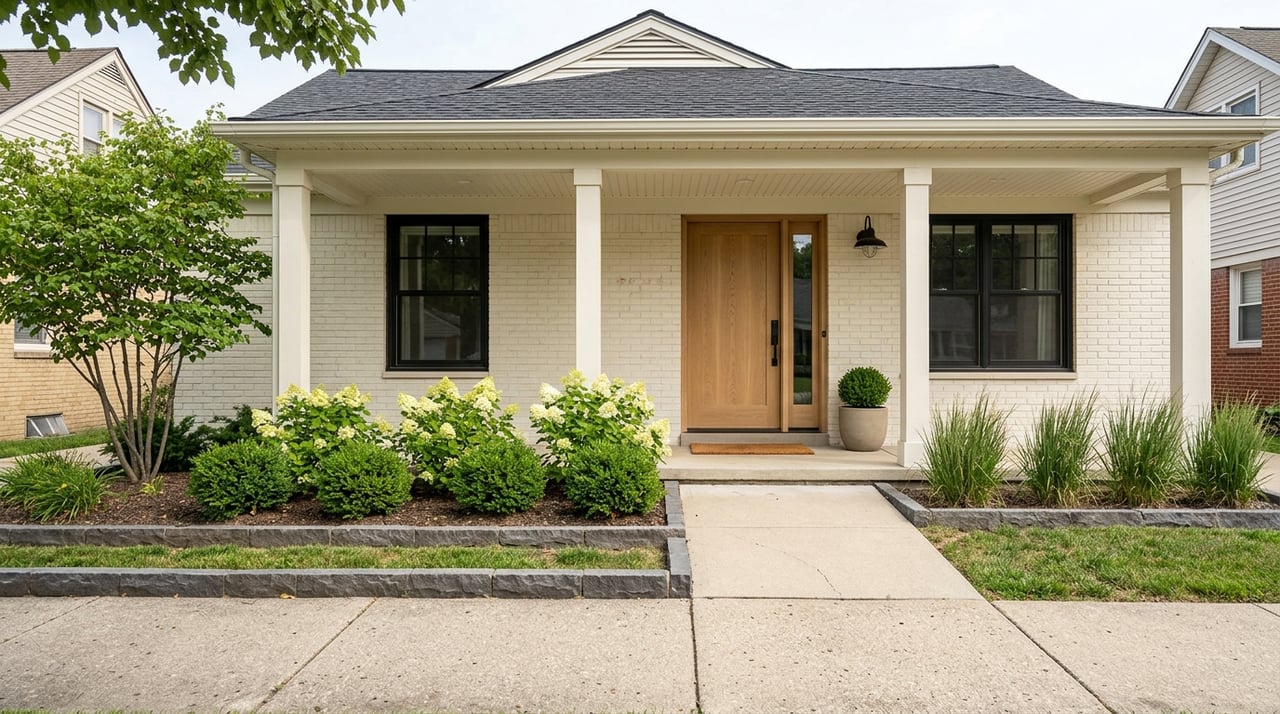
Resale homes can offer quicker move-in, established neighborhoods with mature landscaping, and sometimes larger lots. You may find recent updates or major system replacements that reduce near-term maintenance. You also avoid construction activity that is common in new subdivisions. The tradeoffs can include higher maintenance over time, older layouts, and the need to budget for immediate cosmetic work or repairs.
Cost breakdown in Broken Arrow
Purchase price and upgrade budget
New construction usually sells at a premium compared with similar resale homes in the same area. On top of the base price, plan for upgrades like appliances, lighting, landscaping, and window coverings. Buyers commonly spend an additional 5 to 15 percent of the base price on new-build options, and more for custom homes. With resales, you might budget for paint, flooring, systems service, or appliances in the first year.
Operating costs and efficiency
New homes often include efficient HVAC, insulation, windows, and appliances. That can translate to lower utility bills depending on the builder and equipment grade. Some resales have recently replaced big-ticket items like roofs or HVAC systems, which narrows the gap. Ask for service records and compare expected utility costs when you evaluate homes.
Taxes, HOA dues, and insurance
Property taxes are based on assessed value in Tulsa County, and assessments can change when a new home is completed. Many new subdivisions in Broken Arrow include HOA dues for maintenance of common areas and amenities. Insurance premiums may be lower for new construction that meets current codes, while older homes could cost more to insure if systems are dated or if special hazard zones apply. Compare monthly carry for each home you consider.
Financing and incentives
Resale purchases usually follow a straightforward mortgage process with a 30 to 60 day closing window for most loans. New construction can involve a construction loan or a builder’s preferred lender with incentives. Construction-to-permanent loans have specific draw schedules and documentation, so lender experience with local builders matters. Appraisals for brand-new floor plans may require careful comparable selection, which is another reason to use a local team that knows the Tulsa-area market.
Timelines and process to move-in
Resale timeline
From accepted offer to closing, many resale transactions close in 30 to 60 days depending on financing, inspections, and title work. You can plan your move with a relatively high degree of certainty. Inspection findings can be used to negotiate repairs or credits before closing.
New-build timeline
If you are building from the ground up, production homes commonly take several months after permitting and lot prep. Semi-custom or fully custom builds can take 6 to 12 months or more. Buying a completed spec home can shorten the timeline and feel more like a resale schedule. Local permitting and utility connections in Broken Arrow influence build times, and backlogs can vary by season and subdivision.
Inspections and walkthroughs
Resale buyers typically order a general home inspection, pest inspection, and sometimes specialized checks like sewer scopes or HVAC evaluations. New-build buyers have staged walkthroughs such as pre-drywall and pre-closing, and independent inspections are still recommended. Builder contracts may limit some remedies or inspection scopes, so review those terms in detail before you sign.
Warranties and protections
Most new homes include limited builder warranties that follow a common structure: about one year for workmanship and finishes, two years for systems like plumbing and electrical, and up to ten years for major structural elements. The exact coverage and claim process vary by builder, and some use third-party administrators. Resale purchases rely on seller disclosures, inspections, and negotiated repairs rather than a builder warranty. In all cases, document issues promptly and keep manuals, records, and contacts in one place.
Neighborhoods and lots in Broken Arrow
Established vs. new subdivisions
Established neighborhoods often feature mature trees and landscaping, and some have larger lots. You can move in immediately and may be closer to the Rose District, schools, and existing infrastructure. New subdivisions typically offer modern floor plans, sidewalks, and planned amenities. You may experience ongoing construction activity and smaller lot sizes in some developments.
Commute and amenities
Broken Arrow’s location within the Tulsa metro means commute patterns and access to major corridors like Highway 169 and 51 matter. Proximity to local employers and everyday services can influence both your lifestyle and resale prospects. Consider drive times, neighborhood amenities, and how far a subdivision is from shopping and parks.
Lot-specific factors
Lot orientation, drainage, and any floodplain status can affect comfort, maintenance, and insurance. Privacy, nearby future development, and the presence of mature trees also play a role. Review easements and subdivision covenants, especially for new communities that set standards for landscaping or exterior changes.
Resale value and appreciation
Resale prospects depend on location, lot characteristics, build quality, and neighborhood type. Newer homes in well-located neighborhoods tend to compete well on resale because of modern layouts. Dense subdivisions with smaller lots might have a narrower buyer pool, while established areas may benefit from mature settings and central access. Also consider the pipeline of new construction nearby, since heavy new supply can temporarily weigh on appreciation.
A simple decision checklist
Use this side-by-side checklist for one candidate new build and one resale:
- Total out-the-door cost: price plus upgrades or immediate repairs, closing costs, and landscaping or moving expenses.
- Timeline to occupancy and how certain that timeline is.
- Warranty coverage details and how to submit claims.
- Monthly carry: property taxes, HOA dues, utilities, and insurance.
- Lot factors: size, orientation, easements, drainage, and any flood risk.
- Neighborhood variables: current school zone, commute routes, nearby amenities, and new construction pipeline.
- Future maintenance exposure: expected timing for roof, HVAC, appliances, and water heater.
- Resale comparables and recent days on market for similar homes.
- Financing: construction loan requirements or builder incentives vs. conventional mortgage timing.
- Personal preferences: customization needs, tolerance for construction activity, desire for immediate move-in.
How Monica helps you compare options
Choosing between new construction and resale in Broken Arrow is easier when you have local data and a clear plan. With access to MLS pricing and builder inventory, Monica compares cost per square foot, upgrade allowances, and incentives across neighborhoods. She reviews builder contracts, timelines, and warranty terms, and coordinates lenders who know local construction loans. You also get inspector recommendations for both new-build punch lists and older-home evaluations, plus help aligning closing dates, utilities, and move-in logistics.
If you want bilingual guidance throughout the process, you are in the right place. Whether you prefer a modern floor plan in a new subdivision or the character of an established area, Monica makes sure your choice fits your budget, lifestyle, and long-term goals. Ready to compare specific homes and numbers side by side? Let’s connect with Monica Castillo.
FAQs
Is new construction always more expensive in Broken Arrow?
- Not always, since premiums vary with supply, builder competition, and incentives, and some resales with significant updates can price similarly.
How long does a new build take in the Tulsa area?
- Spec homes can be ready quickly, production builds often take several months, and custom or semi-custom builds typically take 6 to 12 months or more.
Do new homes include warranties from the builder?
- Yes, most include limited warranties, commonly around one year for workmanship, two years for systems, and up to ten years for structural coverage.
Should I get inspections on a brand-new home?
- Yes, independent inspections at key stages help create a punch list and document issues before closing and during the warranty period.
Which has better resale value in Broken Arrow, new or resale?
- Location, lot, and build quality matter more than age, so a well-located home with strong features tends to outperform regardless of new vs. resale.
What extra costs should I expect with a new build?
- Plan for popular options and finishes that are not in the base price, such as appliances, lighting, window coverings, and landscaping.